


0
You Selected These Products
Selected Products
There are no more items in your cart
Branded Corporate Stationery for Offices, Gifts and Giveaways
Custom Printed Desk Accessories and Office Sets for Corporate Promotions
Promotional corporate stationery includes branded desk accessories, office sets and writing tools customised with your company logo for staff gifts, client giveaways and workplace branding. Teams across Sydney, Melbourne, Brisbane and Perth hand out branded stationery at conferences, corporate onboarding programs and tradeshow...
Read More
Promotional corporate stationery includes branded desk accessories, office sets and writing tools customised with your company logo for staff gifts, client giveaways and workplace branding. Teams across Sydney, Melbourne, Brisbane and Perth hand out branded stationery at conferences, corporate onboarding programs and tradeshow desks where functional gifts leave a lasting impression. Unlike single-use promotional items, branded stationery stays on desks and in drawers, giving your logo repeated daily exposure.
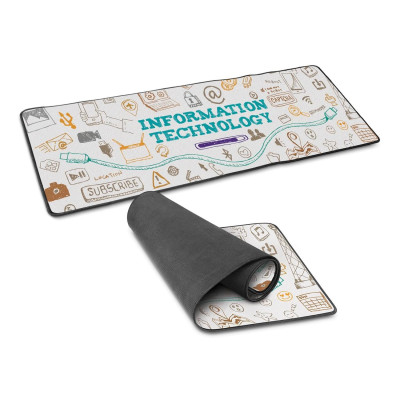
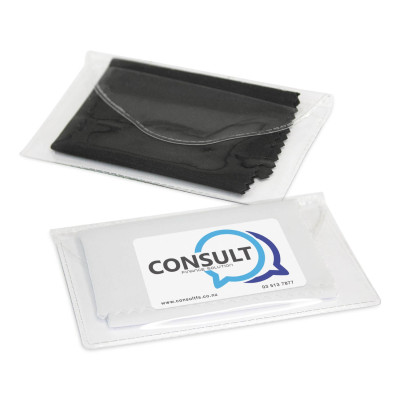
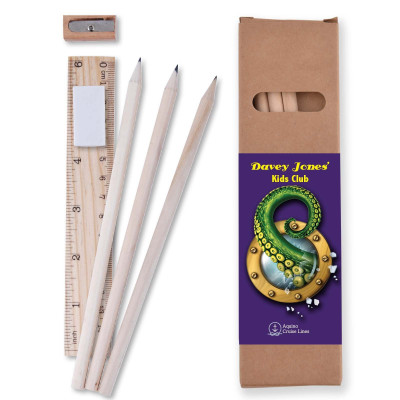
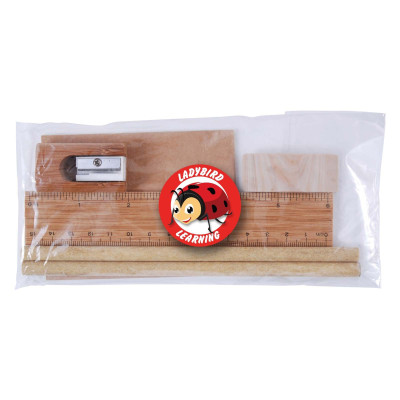
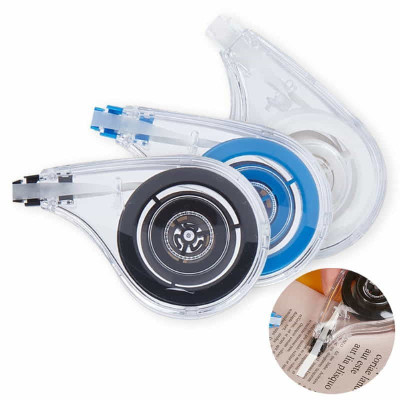
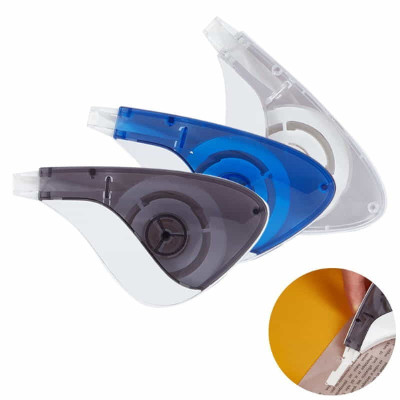
The range covers a broad selection of subcategories to suit every budget and use case. Stationery Sets bundle pens, rulers and accessories into a ready-to-gift pack. Desk Clocks keep your logo at eye level throughout the working day. Mouse Mats deliver a large, flat branding area ideal for full-colour logos. Notepads are a cost-effective handout for conferences and reception desks. Fridge Magnets put your logo in the kitchen or staffroom for constant exposure. Highlighters and Erasers suit schools, universities and office stationery packs. Business Card Holders give a polished, professional touch for client-facing staff. Photo Frames work well as personalised corporate gifts and award presentations. Branded Flash Drives combine tech and stationery for a modern, practical giveaway. Correction Tape and Clipboards are popular additions to desk kits and onboarding packs for new starters.
Most products are branded using pad print for crisp logos on plastic surfaces, or full-colour digital print for detailed artwork on flat items like mouse mats and notepads. Options range from compact desk accessories to complete stationery gift sets. Call our team on 1300 85 50 35 for a free artwork mockup — we'll recommend the right stationery products for your brief and budget before you commit.

Bookmarks
(27)
Desk Clocks
(20)
Branded Flash Drives
(232)
Photo Frames
(27)
Corporate Stationary
(34)
Erasers
(13)
Highlighters
(68)
Sharpeners
(9)
Branded Coasters
(76)
Coffee Mugs
(80)
Fridge Magnets
(60)
Mouse Mats
(32)
Notepads
(113)
Rulers
(43)
What Are Branded Corporate Stationery Products Used For
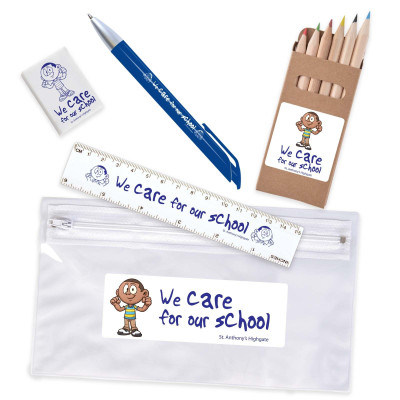
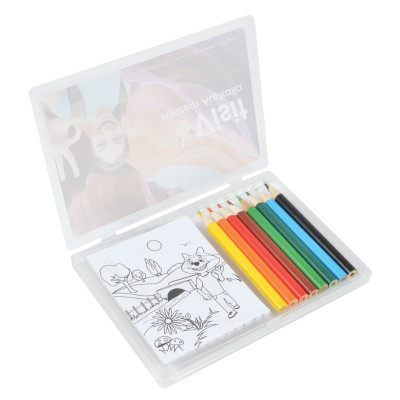
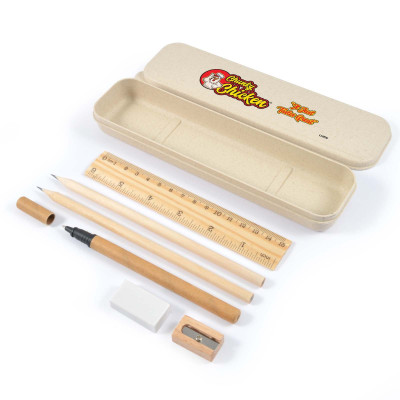
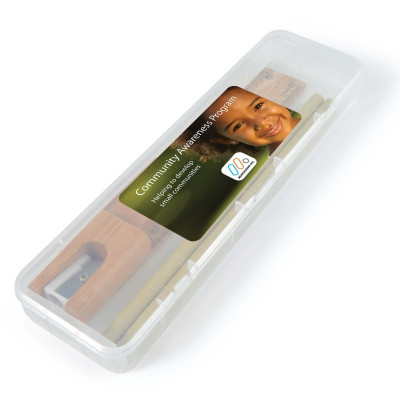
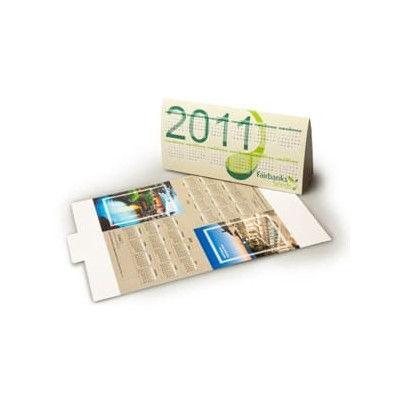
Branded corporate stationery includes printed desk accessories, office sets and writing tools customised with a company logo.
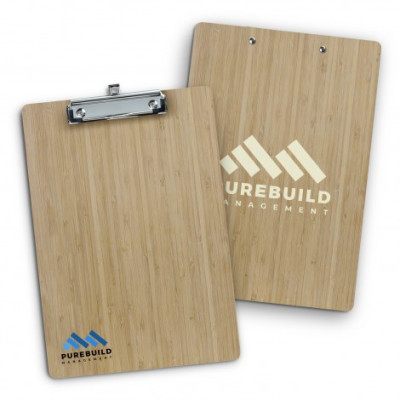
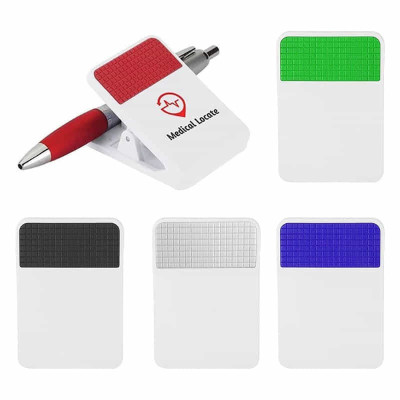
The range covers stationery sets, notepads, mouse mats, desk clocks, flash drives, clipboards, fridge magnets and business card holders.
Organisations use promotional stationery as conference handouts, onboarding gifts, tradeshow giveaways and client welcome packs.
Branded stationery is popular with corporate offices, schools, government departments, real estate agencies and healthcare providers.
Logos are applied to stationery using pad print for plastic surfaces or digital print for flat items like mouse mats and notepads.
Standard production on most branded stationery orders takes approximately two weeks from artwork approval.
How to Choose Branded Corporate Stationery Your Recipients Will Actually Keep
Best Branded Stationery for Tradeshows, Conferences and Expo Giveaways
Event coordinators at tradeshows and expos need stationery giveaways that are lightweight, easy to hand out and useful enough that delegates keep them after the show. A branded item that goes straight into a bag and gets used at the next meeting is the goal.Notepads are one of the most popular conference handouts because delegates use them immediately during sessions and take them back to the office. Mouse Mats pack flat into satchels and deliver one of the largest branding areas of any desk item. Fridge Magnets are a cost-effective, high-volume option that travels home from expos and stays visible in kitchens and staffrooms long after the event.Digital print captures full-colour detail on flat stationery items, making mouse mats and notepads ideal for logo-heavy artwork or campaign messaging. Allow roughly 10 working days once artwork is approved for standard stock orders.For delegate packs that need to feel premium, notepads paired with a branded pen and mouse mat give a cohesive, professional set. If the brief calls for maximum quantity at minimum cost, fridge magnets and notepads offer excellent coverage without stretching the budget.
Branded Stationery for Schools, Government Departments and Community Organisations
Schools, councils and not-for-profit organisations use branded stationery to build recognition during open days, community programs and fundraising drives. These buyers often need high volumes at a sensible per-unit cost.Highlighters and Erasers are particularly popular with schools and universities because students use them daily. Notepads work well at council community days and public awareness programs where residents pick up printed information alongside a practical branded item. Fridge Magnets are a go-to for government and real estate departments running letterbox campaigns, keeping the organisation's name on display in thousands of homes.Digital print on magnets and notepads reproduces detailed artwork cleanly at volume. Pad printed highlighters and erasers keep unit costs low without sacrificing branding quality.Call 1300 85 50 35 and ask for a free branded proof — our team works regularly with school procurement officers, council marketing managers and community program coordinators to match the right stationery products to brief and budget.
FAQs About corporate stationary
What is the difference between a stationery set and individual stationery items for corporate gifts
Stationery sets bundle multiple branded items into a single packaged gift, while individual items are ordered separately and assembled by the buyer. Sets typically include a combination of pens, rulers, correction tape, scissors or drawing accessories presented in a coordinated box or pouch. They suit corporate gifting programs where presentation matters, such as onboarding kits or end-of-year client gifts. Individual items give buyers more flexibility to mix quantities and styles across a run, which works better for high-volume conference handouts where cost per unit is the primary concern.
Which is better for conference giveaways, branded notepads or branded mouse mats
Both are effective conference handouts, but they suit different brief priorities. Notepads are lightweight, low-cost and used immediately during sessions, making them ideal for high-volume packs where budget is the main constraint. Mouse mats offer a significantly larger branding area and sit on the recipient's desk every working day after the event, giving longer-term logo exposure. If the goal is maximum impressions over time, mouse mats deliver more value per unit. If the goal is a practical handout that every delegate receives, notepads are the more cost-effective choice.
What is the difference between pad print and digital print for branded stationery
Pad print transfers a logo onto curved or irregular surfaces using a silicone pad, while digital print applies full-colour artwork directly to flat surfaces using inkjet technology. Pad print is the standard method for plastic stationery items like pens, highlighters, erasers and desk clocks, where the surface is small or shaped. Digital print is used on flat items like mouse mats, notepads, fridge magnets and desk mats, where the print area is large and detailed, multi-colour artwork is needed. Knowing which method applies helps you prepare artwork in the right format from the start.
How do fridge magnets compare to notepads for real estate and government giveaways
Fridge magnets are better suited to letterbox campaigns and take-home handouts, while notepads work better at face-to-face events and open homes. Magnets adhere to fridges and stay visible in the home for months or years, keeping the agency or department's name and contact details in front of residents passively. Notepads are used actively, which means the recipient handles the branded item repeatedly but eventually finishes the pad. For real estate offices running suburb-wide letterbox drops, magnets deliver longer-lasting brand presence. For open home visitors who will use the pad during the inspection, notepads provide a more immediate utility.
How are logos printed on branded flash drives
Branded flash drives are most commonly decorated using pad print for a crisp, single or two-colour logo on the plastic casing, or laser engraving for a permanent etched mark on metal drives. Pad print gives clean results on coloured plastic drives and handles small logo sizes well, which is important given the compact surface area available. Laser engraving suits premium metal drives where buyers want a sleek, no-ink finish that does not fade or scratch off with regular use. Full-colour digital print is available on some drive styles where the surface is large enough to accommodate artwork detail.
Can branded corporate stationery be ordered in small quantities for boutique gifts or sample packs
Yes, many branded stationery items are available in smaller runs, making them accessible for boutique gifting programs, sample packs and smaller corporate orders. Stock stationery items generally carry lower minimum quantities than indent production runs, which require higher volumes to achieve the best unit pricing. If you need a small quantity of a premium stationery set for a senior executive gift program or a client welcome pack, stock options are the most practical starting point. Contact the team with your quantity, product type and deadline to confirm availability and pricing before placing an order.
What branding methods are available for mouse mats and desk mats
Mouse mats and desk mats are typically branded using sublimation or full-colour digital print, both of which allow edge-to-edge artwork coverage across the entire surface. Sublimation transfers ink into the surface material using heat, producing vibrant, photo-quality results that do not crack or peel with regular use. Digital print uses CMYK inkjet technology to reproduce detailed artwork, gradients and photographs. Both methods suit complex logos, campaign artwork and multi-colour designs that pad print cannot reproduce on flat surfaces. The flat, large format of mouse mats and desk mats makes them one of the best branding surfaces in the stationery category.
How long does production take for branded corporate stationery orders
Most stock branded stationery orders are ready within about two weeks from artwork approval, depending on the product and print method. Pad printed items on stock products are typically at the faster end of that range. Sublimation and digital print on mouse mats or stationery sets with multiple components may take slightly longer to coordinate. Indent production orders, which are manufactured to specification in higher volumes, require longer lead times and should be discussed with the team at the quoting stage. If you have a conference or event deadline, flag it early so the team can confirm the production path that suits your timeline.
Why Australian Organisations Trust Us With Their Branded Stationery
Free Artwork Mockup Before Production
Every stationery order includes a free digital artwork mockup so you can see exactly how your logo will appear on the product before production begins. Our artwork team prepares a branded proof showing your logo, colours and placement on the selected item. You review the proof, request any adjustments, and only approve production when you are completely satisfied. We account for print size, pad print placement on curved surfaces, and colour matching for digital print items like mouse mats and notepads. If a finished product does not match the approved proof, we replace it. No arguments, no delays.
Competitive Pricing and Expert Guidance
Our Price Beat Promise means if you find the same branded stationery product at a lower price, we will match it. Indent production orders typically save 20 to 35 percent compared to stock pricing, which makes a meaningful difference on large conference or onboarding runs. Our team guides you through decoration options — pad print for plastic components, digital print for flat items, and laser engraving for premium metal accessories — so you get the right method for your product and print run. Turnaround on stock stationery items is typically a fortnight from sign-off. Express options are available for urgent conference deadlines — talk to the team about your timeline when you enquire.


