


0
You Selected These Products
Selected Products
There are no more items in your cart
Branded Mints and Confectionery for Corporate Gifts and Giveaways
Custom Printed Confectionery for Tradeshows, Expos and Corporate Events
Promotional mints and branded confectionery are custom-printed sweet treats packaged with your logo or advertising message for corporate giveaways, tradeshows and client gifts. Offices, hospitality venues and event teams across Sydney, Melbourne, Brisbane and Perth use branded confectionery to hand out at reception desks,...
Read More
Promotional mints and branded confectionery are custom-printed sweet treats packaged with your logo or advertising message for corporate giveaways, tradeshows and client gifts. Offices, hospitality venues and event teams across Sydney, Melbourne, Brisbane and Perth use branded confectionery to hand out at reception desks, conference registrations and corporate functions. Few giveaways are as universally welcomed, making them one of the most cost-effective ways to put your brand in front of people.
The range covers 18 subcategories to suit every brief and budget. Branded Mints are the most popular choice for reception areas and tradeshow booths, offering a practical, pocket-sized handout. Printed Mint Cards give a slim, card-format option ideal for wallets and desk drawers. Lollies and Sweets cover a broad selection of confectionery styles, while Lollies and Sweets in Tin Packaging add a premium, reusable touch. Branded Chocolates suit executive gifts and premium corporate hampers. Promotional Jelly Beans are a colourful crowd-pleaser for family days and community expos. M&M's work well in branded boxes for desk gifting. Biscuits and Cookies round out the savoury-sweet options for welcome packs. Candy Rolls, Lollipops, Humbugs and Rock Candy, Cello Bags, Confectionery in Bizcards, Eco and Re-Sealable Packs, Individually Wrapped Sweets, Sweets in Glass Jars and Branded Snacks add even more variety for creative briefs.
Most confectionery is branded using digital packaging printing, which reproduces full-colour logos, brand colours and detailed artwork across a range of packaging formats from pillow packs and noodle boxes to tins and glass jars. Call our team on 1300 85 50 35 for a free artwork mockup — we will match the right confectionery style and packaging format to your brief and budget, no obligation to order.

Lollies & Sweets
(226)
Branded Chocolates
(229)
Biscuits & Cookies
(33)
Promotional Jelly Beans
(208)
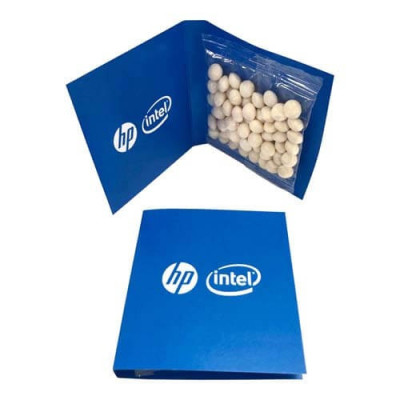
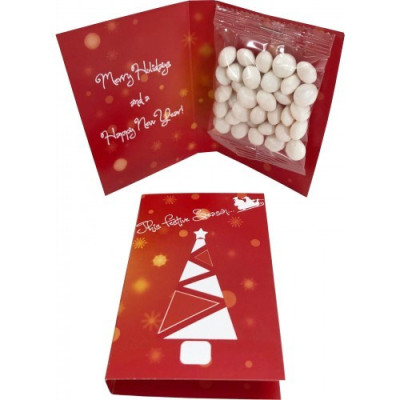
Printed Mint Cards
(16)
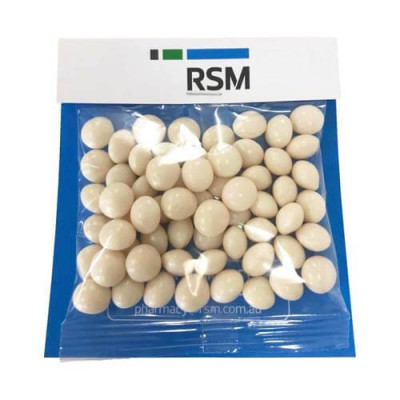
Branded Mints
(115)
Branded Snacks
(78)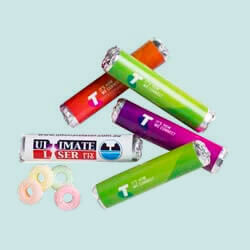
Candy Rolls
(4)
Humbugs & Rock Candy
(47)
M&M's
(71)
Lollipops
(17)
Cello Bags
(242)
Sweets in Glass Jars
(52)
Noodle Boxes
(28)
Novelty Packaging
(82)
Plastic Bottles
(28)
Plastic Tubs & Cubes
(127)
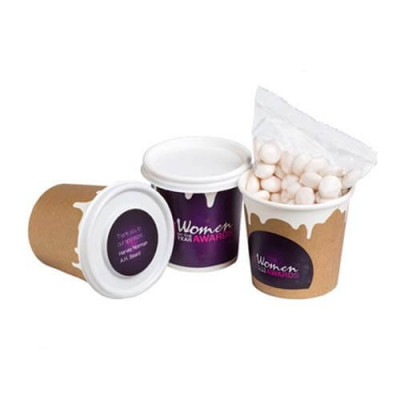
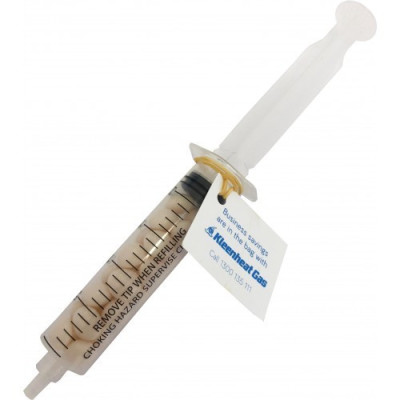
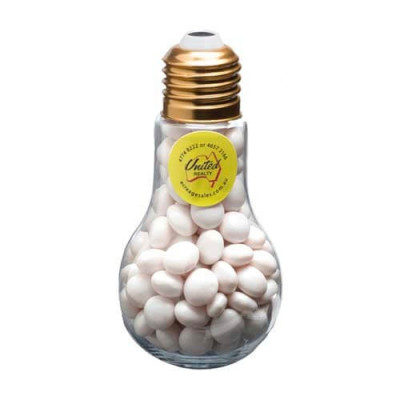
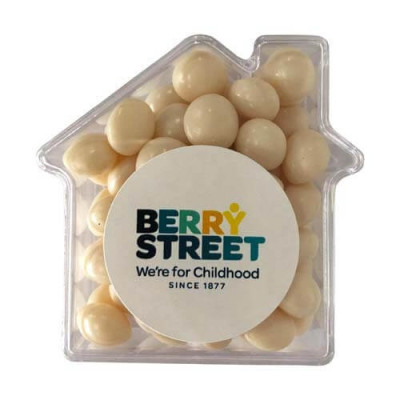
What Are Branded Mints and Promotional Confectionery Used For
Promotional mints and branded confectionery are custom-packaged sweet treats printed with your logo for giveaways and corporate gifts.
The range includes mint cards, jelly beans, chocolates, lollies, biscuits, candy rolls, lollipops and individually wrapped sweets.
Branded confectionery suits tradeshow booths, conference registrations, reception desks and corporate gift hampers.
Corporate teams, hospitality venues, real estate agencies, healthcare providers and councils use branded mints for giveaways.
Most confectionery packaging is decorated using digital printing, which reproduces full-colour logos and brand artwork accurately.
Standard production on most branded confectionery orders takes approximately two weeks from artwork approval.
How to Choose Branded Confectionery That People Will Actually Keep and Share
Branded Chocolates and Premium Sweets for Corporate Gifts and Client Packs
Premium confectionery gifts for corporate clients and staff need packaging that feels considered, not just convenient. A reception manager at a finance firm or a property group will choose something that reflects the brand's positioning. This is where Branded Chocolates and Lollies and Sweets in Tin Packaging come into their own. The tin format is particularly effective because recipients keep and reuse it long after the sweets are gone, providing ongoing brand exposure on desks and in bags.M&M's in a branded box or Sweets in Glass Jars give a polished, premium feel that works well as an end-of-year corporate gift or a welcome-to-the-team pack for new starters. Real estate agencies regularly use branded chocolates as settlement gifts, pairing them with other branded items in a closing gift box.Biscuits and Cookies appeal to clients who prefer something savoury-sweet and less expected than standard confectionery. These work well in premium gifting formats and can be customised with individual wrapping that carries the logo.For executive gifting where presentation matters as much as the product, the branded chocolates and tin packaging options offer the right combination of quality and impact.
Confectionery Giveaways for Schools, Councils, Healthcare and Community Events
Community-facing organisations need confectionery that appeals to a broad group, fits a modest budget and carries a clear brand message without being intrusive. Schools and councils handing out branded sweets at open days, fetes and community programs do best with Cello Bags and Confectionery in Bizcards. The bizcard format is particularly clever for this sector because it doubles as a contact card, putting the organisation's name, logo and key message in a format people read before they eat the sweets.Eco and Re-Sealable Packs appeal to councils and NFPs running sustainability programs. The resealable format reduces waste and aligns the brand with environmentally responsible values. Healthcare and aged care providers often choose Individually Wrapped Sweets for hygiene reasons, making them easy to distribute at reception counters and in patient waiting areas.Lollipops and Humbugs and Rock Candy work well for family-friendly community days and school fundraisers where kids are the primary recipients. Both formats are visually eye-catching and easy to hand out in bulk.Call 1300 85 50 35 and our team will recommend the right confectionery format, packaging style and print finish for your next community program or fundraising drive.
FAQs About branded mints
What is the difference between printed mint cards and branded mints in tin packaging
Printed mint cards are slim, card-sized packs that fit in a wallet or pocket, making them ideal for high-volume handouts at reception desks and tradeshows. The card format doubles as a mini billboard because recipients read the branding before opening it. Tin packaging, by contrast, is a reusable container that stays on the desk or in a bag long after the mints are gone, giving the brand ongoing exposure. Mint cards suit large-scale giveaways where cost per unit matters. Tin packaging suits premium gifting where the packaging itself is part of the impression.
Which is better for corporate hampers, branded chocolates or lollies and sweets in tins
Branded chocolates give a more premium, indulgent feel that most recipients associate with quality gifting, making them the stronger choice for executive hampers and client thank-you packs. Individually wrapped or boxed chocolates hold their shape, transport well and look polished alongside other gift items. Lollies and sweets in tins work well when the hamper needs a reusable element that stays visible after the contents are gone. The tin doubles as a desk storage item or travel container. For high-end corporate gifting programs, chocolates tend to land better. For gifts that linger, tins offer longer brand exposure.
What is the difference between confectionery in bizcards and cello bags for community giveaways
Confectionery in bizcards combines a small sweet treat with a full contact card format, so recipients get the brand's name, logo and key details in a format they are likely to read and keep. This makes bizcards highly effective for councils, NFPs and healthcare providers handing out information at public events. Cello bags are a more traditional transparent packaging format filled with mixed sweets, which works well for high-volume family events and school fundraisers where visual appeal and quantity matter more than contact detail delivery. Bizcards work harder as a communication tool. Cello bags work harder for volume handouts.
How are logos printed on branded confectionery packaging
Most branded confectionery packaging is decorated using digital packaging printing, which applies full-colour CMYK artwork directly to the packaging surface or label. This method handles logos, brand colours, gradients and detailed text accurately, making it suitable for everything from simple one-colour logos to complex branded designs. For tin packaging, labels are digitally printed and applied to the tin exterior. Mint cards and pillow packs use digitally printed card stock or film. Because the process is digital rather than screen-based, there are no colour separation costs, which keeps setup affordable for smaller quantities.
Are eco and re-sealable confectionery packs a genuinely sustainable option
Eco and re-sealable packs use reduced-waste packaging formats that are designed to be reused after the initial contents are consumed, which is a meaningful step compared to single-use wrappers. Many options in this range use recyclable or compostable materials for the outer packaging. The re-sealable closure reduces the likelihood of the pack being discarded half-full, which adds a practical sustainability argument alongside the environmental one. For councils, NFPs and corporate programs with a sustainability focus, these packs pair well with the messaging around responsible consumption and reduced packaging waste. They are a credible choice for brands with published environmental commitments.
Can I order branded confectionery in small quantities for a single event
Many confectionery lines in our range are available in smaller quantities, making them accessible for single events, one-off gifts and test orders before committing to a larger run. Printed mint cards and individually wrapped sweets tend to have lower entry-level quantities than bulk formats like jelly beans or candy rolls. Packaging formats with digital printing are well suited to shorter runs because there are no expensive screen or plate setups involved. For specific quantity requirements and pricing, the team can advise which formats fit your volume and help you find the best value option for your brief and budget.
Which branded confectionery works best for real estate open homes and settlement gifts
Printed mint cards are the most popular branded confectionery choice for real estate open homes because they are slim, professional and easy to leave on the kitchen counter or include with the open home information pack. The card format carries the agent's logo, contact details and sometimes a QR code, making it functional as well as a sweet treat. For settlement gifts, branded chocolates in a custom box or individually wrapped sweets in a gift bag give a warmer, celebratory feel that matches the occasion. Both formats photograph well for social media posts, which adds an organic brand exposure benefit for the agency.
How long does production take for branded confectionery orders
Most branded confectionery orders on stock product lines are ready within about two weeks from the date artwork is approved. Digital packaging printing does not require screen or plate setup, which removes one of the common delay factors in promotional product production. Express timelines are available on selected confectionery lines for urgent briefs, though these may carry an additional surcharge depending on the format and quantity required. Flagging your event date or delivery deadline early gives the team the best chance of confirming the right production path and avoiding last-minute complications. Custom packaging formats and indent orders may require longer lead times.
Why Australian Businesses Choose Us for Branded Confectionery and Corporate Sweets
Free Artwork Mockup Before Production
Before a single piece of confectionery is packaged, we send you a free digital mockup showing exactly how your logo and brand colours will appear on the chosen packaging. The proof covers layout, colour accuracy and text placement, giving you a clear view of the finished product before you commit to production. If the logo placement needs adjusting, the background colour needs tweaking or you want to test a different packaging format, we revise the mockup at no cost. Our artwork team works with all common file formats and can set up your design from a logo file if you do not have print-ready artwork. Nothing goes to production without your written sign-off.
Competitive Pricing and Expert Guidance
Our Price Beat Promise means if you find a lower price on equivalent branded confectionery from another Australian supplier, we will beat it. For larger indent orders, volume savings of 20 to 35 percent are common compared to off-the-shelf pricing. Our team advises on which confectionery formats give the best logo coverage for your artwork, which packaging suits express timelines, and which products hold up best in warm conditions at outdoor expos. Standard turnaround on stock confectionery items sits around 10 business days from artwork sign-off. Express options are available on selected lines. Talk to the team about your deadline and quantity to get a tailored quote.


